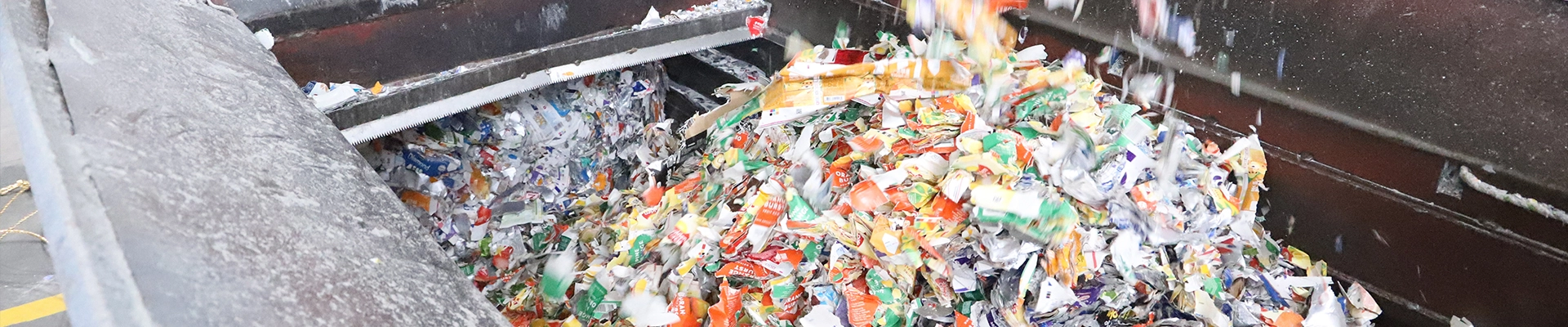
A Modern Coated Paper Recycling System
In traditional recycling, paper is considered one of the easiest materials to process. Newspapers, office paper, corrugated cartons — they dissolve quickly and re-enter the production cycle with minimal difficulty.
From glossy magazines and food packaging to advertising brochures and specialty prints, coated paper contains plastic films, clay coatings, adhesives, or chemical layers designed to enhance durability and visual appeal. These enhancements increase product value — but they create serious challenges during recycling.
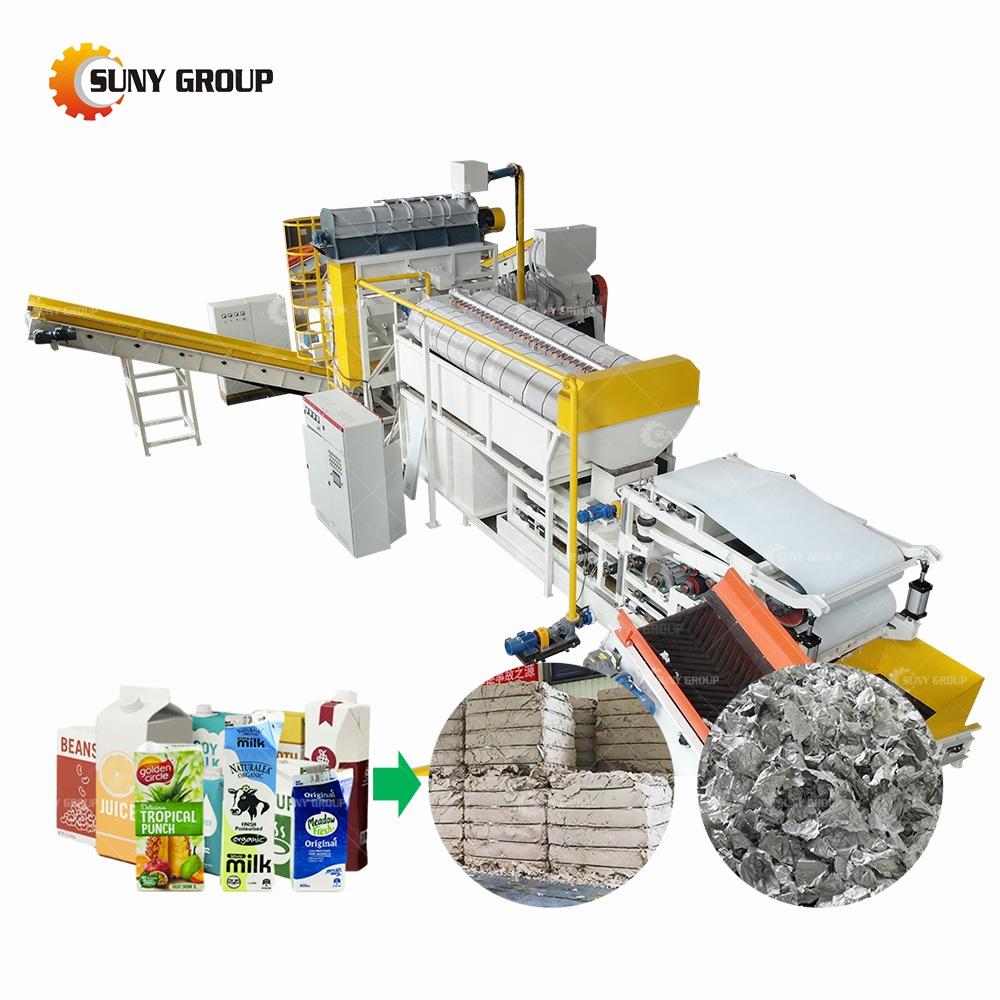
A modern coated paper recycling system typically includes several advanced stages.
1. Heavy-Duty Shredding
Coated paper is tougher than ordinary paper. It requires strong cutting blades and stable torque systems to ensure uniform size reduction.Proper shredding increases pulping efficiency.
2. High-Consistency Hydrapulping
The hydrapulper works at an optimized temperature and agitation speed to separate fiber from plastic film.Unlike traditional pulpers, these systems are designed to avoid excessive film fragmentation.
3. Specialized Screening System
Fine pressure screens remove plastic flakes and coating residues.Multi-stage screening ensures higher pulp cleanliness.
4. Plastic Residue Extraction
Separated plastic films can be collected, dried, and sold as secondary plastic material.
5. Water Treatment Integration
Because coated paper processing generates more contaminants, water recycling systems are often integrated to reduce environmental discharge.
Coated paper recycling is no longer optional in a circular economy. It is a necessary step toward full material recovery. The recycling industry is evolving from simple collection to technical refinement.And coated paper recycling stands at the frontier of that evolution