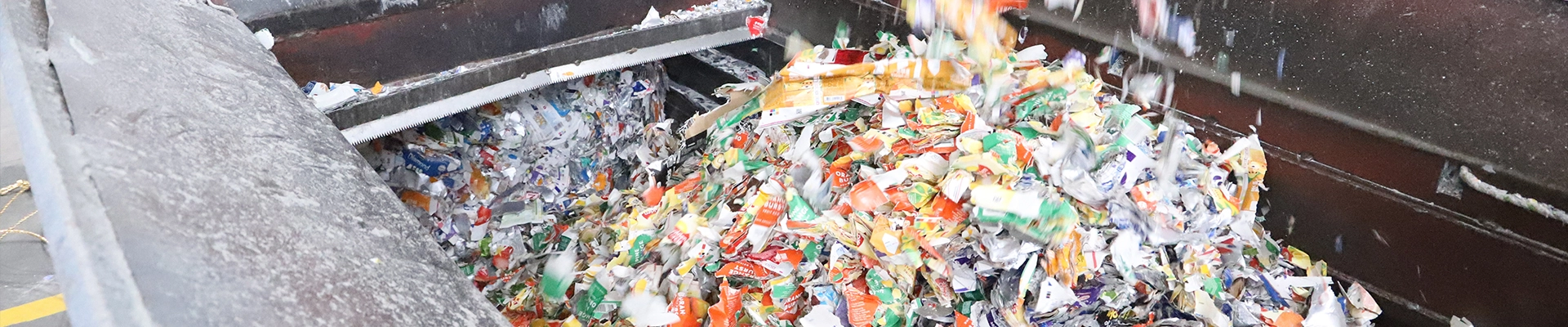
Benefits of Advanced Paper-Plastic Recycling Equipment
As global waste generation continues to rise, the need to efficiently separate and reclaim composite materials has never been greater. Among the most challenging of these are paper-plastic composites — materials whose bonded layers make them difficult to recycle. Fortunately, modern paper-plastic recycling machines solve this problem by using state-of-the-art mechanical separation techniques designed to reclaim fiber and plastic with exceptional purity and minimal resource waste.
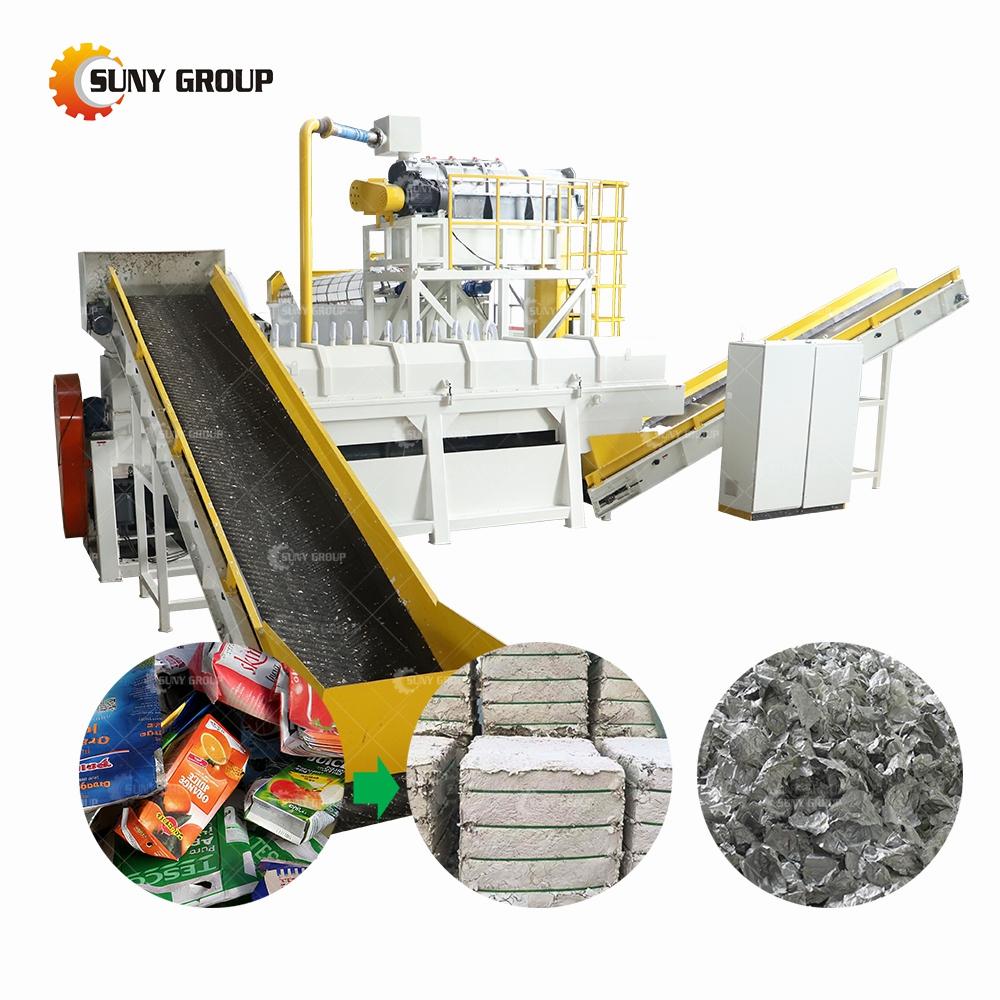
At the heart of a paper-plastic recycling line is a system built to disintegrate composite materials into their base components gently. This usually involves the following steps:
Pulping & Fiber Liberation
Composite materials are mixed with water in a pulping tank. Through agitation and controlled shear forces, paper fibers are loosened and separated from plastic films. Unlike aggressive thermal or chemical methods, this process ensures the integrity of the fibers and reduces damage, which is critical for producing high-quality recycled pulp.
Mechanical Separation
After pulping, the separation chamber uses advanced screens and density-based classification to isolate plastics from fibers. A high-efficiency separator yields plastic materials that are sufficiently clean for granulation or re-processing in plastic extrusion lines. Meanwhile, the liberated paper fibers are diverted into a separate dewatering circuit for reuse in papermaking systems.
Practical Applications of the Paper-Plastic Separation Systems
From industrial waste streams to municipal recycling centers, paper-plastic separation systems are versatile and adaptable:
Recycling post-consumer beverage cartons
Processing coated packaging materials
Refining manufacturing scrap from packaging lines
Each application benefits from the same core technologies — efficient separation, minimal resource consumption, and clean output streams ready for reuse.