The Ultimate Guide to Paper-Plastic Separation Recycling Machines
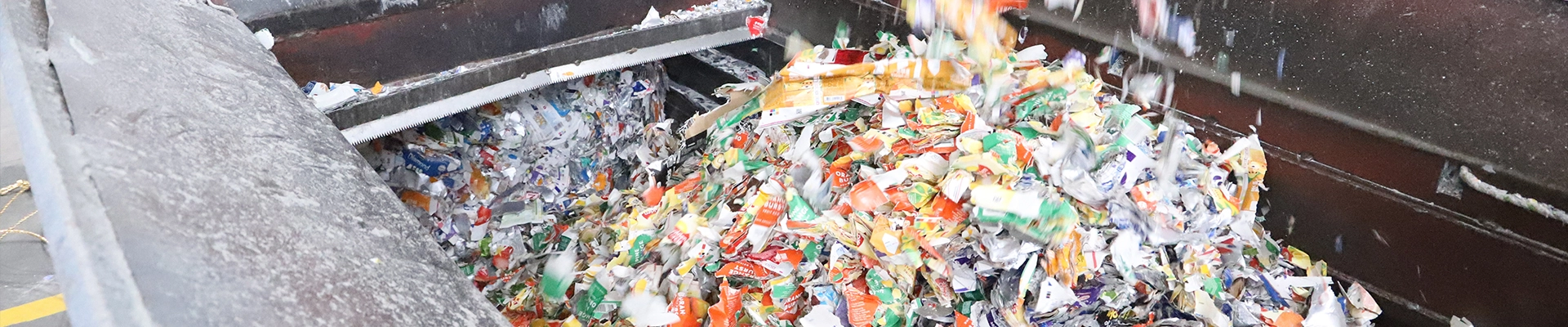
In an era where sustainability drives industrial innovation, paper-plastic separation recycling machines are becoming indispensable for manufacturers, recyclers, and waste management companies around the globe. These advanced machines address a core challenge in composite waste — the effective separation and recovery of paper fibers and plastics from mixed materials like laminated cartons, coated paper, and flexible packaging that cannot be processed by traditional recycling methods.
Why Paper-Plastic Separation Matters
Paper and plastic materials are often bonded together in everyday items such as beverage cartons, coated paper cups, courier bags, and Tetra Pak packages. These composite materials present two major problems:
Low recycling value with standard systems – Paper fibers become contaminated with plastic residues, reducing the quality of recycled pulp and plastic feedstock.
Environmental strain – Improper disposal leads to landfill accumulation and resource wastage.
A dedicated paper-plastic separation system transforms this waste into profitable resources: clean paper pulp for reuse in paper production and plastic flakes ready for pelletizing or extrusion.
How the Separation Process Works
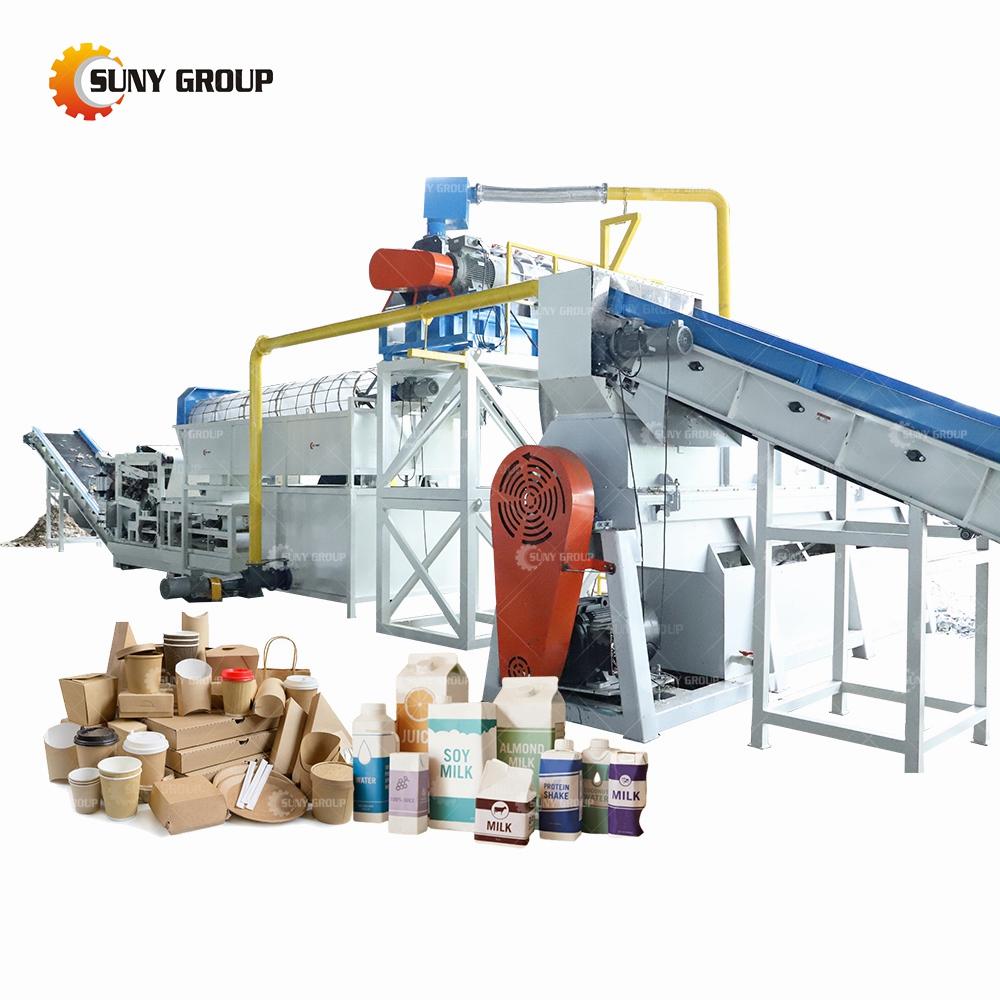
The typical workflow in a high-performance paper-plastic separation plant includes the following stages: pulping, separation, dewatering, and final discharge:
Pulping: Raw composite materials are mixed with water and gently agitated to break down the adhesive bonds between paper fibers and plastic layers. This step ensures that the materials enter the separation stage uniformly and with minimal clumping.
Mechanical Separation: Advanced screening and flotation technologies divide the materials based on density differences and physical characteristics. Paper fibers, being lighter and more hydrophilic, separate from heavier plastic films under controlled conditions.
A well-designed system achieves high purity output — often 85-90% for paper pulp and 95%+ for plastic flakes, giving both products strong resale potential.
Dewatering & Collection: Once separated, both streams undergo dewatering to reduce moisture content. Pulps are prepped for re-entering the paper production cycle, while plastics are cleaned and prepared for further processing.
Application Scenarios: These machines have versatile applications across multiple waste streams:
Waste paper mills — for laminated packaging and coated paper residues.
Beverage carton recyclers — enabling clean pulp recovery from cartons that were previously challenging to process.
Packaging manufacturers — converting post-industrial scrap into high-value feedstock.
Municipal recycling facilities — improving sorting efficiency and reducing landfill burden.
The rising global demand for recycled materials ensures that investments in paper-plastic separation equipment will continue to yield long-term benefits.