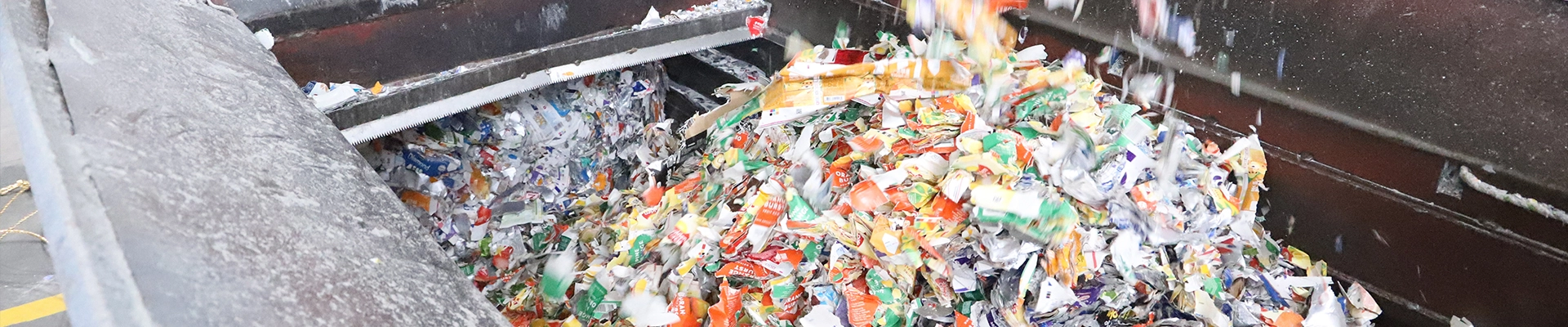
How to Separate PE from Paper? The Ultimate Paper Plastic Recycling Solution
Poly-coated paper, widely used in disposable paper cups, milk cartons (Tetra Pak), and fast-food containers, provides excellent waterproofing and durability. However, this exact durability makes recycling a massive global challenge. Traditional recycling facilities often reject these materials because the polyethylene (PE) film is tightly bonded to the paper fibers.
So, how do you separate PE from paper efficiently and profitably? In this guide, we dive deep into the ultimate paper-plastic recycling solution, exploring the advanced machinery and processes that can turn waste coated paper into high-value recycled pulp and clean plastic.
Why is it Difficult to Separate PE from Paper?
Paper-plastic composites, such as PE-coated paper, consist of a layer of high-quality paperboard laminated with a thin layer of polymer (usually PE) or aluminum. Because they are tightly heat-sealed, they cannot be repulped using standard waste paper recycling methods. If not properly separated, the plastic film clogs the pulping screens, and valuable virgin paper fibers are ultimately lost to landfills or incineration.
To achieve true zero-waste recycling, specialized paper-plastic recycling plants are required to delaminate the polymer layers without damaging the fiber quality, achieving clean outputs suitable for industrial reuse.
The Ultimate Paper-Plastic Recycling Process: How It Works
Modern separation technology integrates crushing, pulping, separation, and drying into a fully automated process. Here is a step-by-step breakdown of how a professional Paper-Plastic Recycling Machine works:
1. Paper-Plastic Separator
The core of the process begins with the Paper-Plastic Separator. According to the characteristics of the composite materials, water is added to the paper-plastic mixture. Driven by a high-speed rotating spindle and the friction of the main shaft screen plate, the machine effectively washes and delaminates the paper fibers away from the PE film.
2. Pulp-Slag Separator
After the initial separation, the slurry passes through a Pulp-Slag Separator. This equipment removes light and heavy debris and decomposes smaller pieces of paper in the fiber without blocking the screen. Because hard debris will not damage the screen plate, the factory does not need to stop operations frequently for cleaning, ensuring high continuous throughput.
3. Pulp Dewatering Machine
Once purified, the pulp enters the Pulp Dewatering Machine. The material rotates to a certain height with the drum, falls by gravity, and is filtered through a customized screen. This step effectively reduces the moisture content of the sorted particles.
4. Pulp Filter Press
Finally, the recovered pulp is transported by a pump to the Pulp Filter Press. Driven by a motor and a polyester blanket, this mechanical equipment presses the remaining moisture out of the separated pulp, resulting in clean, high-quality materials ready for the market.
What Materials Can Be Processed?
A high-performance paper-plastic recycling plant is highly versatile. It is designed specifically for processing various laminated wastes, including:
- Polycoated Paper: Disposable paper cups, fast food containers, takeout containers, waxed paper, and label liners.
- Tetra Pak & Milk Cartons: Milk cartons and juice boxes are processed using a low-energy, closed-loop water system without chemical additives.
- Mixed Paper and Plastic Waste: Composite paper scraps, waste rolls, and damaged packaging from printing plants, paper mills, or recycling centers.
- Industrial Paper-Plastic Woven Bags: Three-layer composite aluminum films, medical packaging, and ink-printed coated paper.
Core Advantages of an Advanced Recycling Plant
Investing in a professional recycling line offers significant commercial and environmental benefits for waste paper recycling plants and pulp mills:
- High Recovery Rates: The technology ensures a paper fiber recovery rate of ≥ 95% and a plastic reusability rate of ≥ 90%.
- Eco-Friendly Operation: The system operates without harmful chemical additives and utilizes closed-loop water systems.
- Customizable Capacity: Customers can choose configurations based on their production capacity requirements, ranging from 500 kg/h and 1 t/h up to large-scale production lines exceeding 3–5 t/h.
- High ROI (Return on Investment): It effectively transforms waste into profitable final products: pure paper pulp, clean plastic, and aluminum.
Turn Waste into Profit Today
Separating PE from paper is no longer a technical bottleneck. With a comprehensive Paper-Plastic Recycling Plant, you can efficiently process poly-coated materials, reduce environmental pollution, and generate new revenue streams.
Are you ready to transform your recycling process? Whether you are upgrading an existing facility or starting a new environmental project, investing in customized paper-plastic separation equipment is the ultimate solution to turn waste into profit.