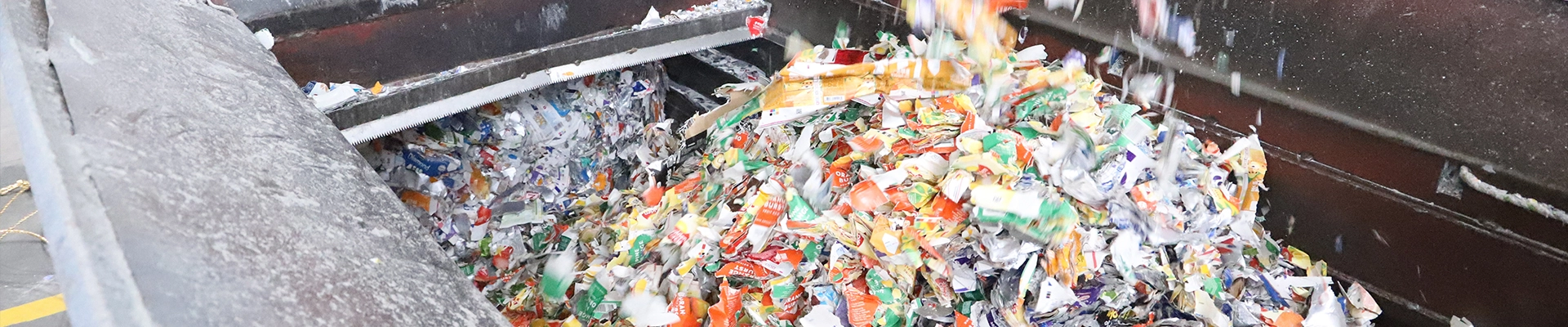
Paper Plastic Recycling Plant for Recycling Plastic Lined Paper Bags and Other Composite Packaging Waste
Introduction: The Growing Need for Paper Plastic Recycling Solutions
With the increasing use of composite packaging materials in industries such as food, chemical, agriculture, and logistics, the amount of paper-plastic composite waste has grown significantly. Materials such as plastic lined paper bags, laminated paper packaging, kraft paper bags, and coated paper products are widely used because of their durability and moisture resistance.
However, these composite materials are difficult to recycle through traditional methods because paper fibers and plastic layers are tightly bonded together. A professional Paper Plastic Recycling Plant provides an effective solution by separating paper and plastic components and recovering valuable materials for reuse.
The advanced recycling system helps industries reduce waste disposal costs, improve resource utilization, and achieve sustainable waste management goals.
What Is a Paper Plastic Recycling Plant?
A Paper Plastic Recycling Plant is an industrial recycling system designed to process paper-plastic composite waste and separate different materials through mechanical treatment.
Unlike conventional waste processing methods, the plant uses specialized technologies to break down composite structures and recover:
- High-quality paper fibers
- Recyclable plastic materials
- Valuable secondary resources
The system is suitable for various waste materials, including:
- Plastic lined paper bags
- Laminated paper packaging
- Paper-plastic composite materials
- Kraft paper bags with plastic coating
- Industrial packaging waste
- Other mixed paper and plastic waste
By separating paper and plastic efficiently, the recycling plant creates new economic value from discarded materials.
Recycling Process of Plastic Lined Paper Bags and Composite Packaging Waste
The Plastic Lined Paper Bags Recycling process mainly focuses on separating the plastic layer from the paper fiber while maintaining the quality of recovered materials.
A typical recycling process includes the following steps:
1. Feeding and Material Preparation
Waste plastic lined paper bags and composite packaging waste are collected and fed into the recycling system.
Large contaminants and unwanted materials are removed during the initial stage to ensure stable operation.
2. Shredding and Size Reduction
The waste materials are shredded into smaller pieces to increase the contact area and improve separation efficiency.
The shredding process helps break the structure of laminated materials and prepares them for further processing.
3. Paper Plastic Separation
The key stage of the recycling plant is the paper plastic separation process.
Through specialized separation equipment, the paper fibers and plastic components are separated effectively.
The recovered paper material can be used for:
- Paper production
- Recycled fiber applications
- Molded pulp products
The separated plastic materials can be processed into:
- Recycled plastic pellets
- Plastic products
- Secondary raw materials
4. Material Recovery and Collection
After separation, the recovered materials are collected and processed according to their final applications.
The system maximizes resource recovery while reducing landfill waste and environmental impact.
Applications of Paper Plastic Recycling Plant
A modern Paper Plastic Recycling Plant can handle a wide range of composite waste materials.
Plastic Lined Paper Bags Recycling
Plastic lined paper bags are commonly used in:
- Cement packaging
- Chemical packaging
- Food ingredient bags
- Agricultural product bags
- Industrial packaging
The recycling plant separates the plastic coating and paper layers, allowing both materials to be reused.
Laminated Paper Recycling
Many paper products contain plastic films or coatings to improve strength and moisture resistance.
The recycling system can process:
- Laminated paper sheets
- Coated paper packaging
- Composite paper products
Composite Packaging Waste Recycling
Besides plastic lined paper bags, the plant can process various paper-plastic composite materials generated from manufacturing and commercial waste streams.
Advantages of Our Paper Plastic Recycling Plant
Efficient Paper and Plastic Separation
The recycling system is designed to achieve efficient separation of paper fibers and plastic materials, improving recovery rates and reducing material loss.
High Resource Utilization
By recovering both paper and plastic components, the plant converts waste into valuable secondary resources.
Environmentally Friendly Recycling Solution
The system helps reduce landfill waste, lower environmental pollution, and support circular economy development.
Flexible Processing Capacity
The recycling plant can be customized according to:
- Waste material characteristics
- Required output capacity
- Final product requirements
Why Choose a Professional Paper Plastic Recycling Plant?
Traditional recycling methods often struggle with composite materials because paper and plastic cannot be separated easily.
A professional Paper Plastic Recycling Plant provides:
- Stable recycling performance
- Efficient material separation
- Reduced waste treatment costs
- Improved recycling profitability
For companies handling large volumes of plastic lined paper bags and composite packaging waste, investing in a dedicated recycling system creates long-term economic and environmental benefits.
Conclusion
The demand for effective solutions for Plastic Lined Paper Bags Recycling and composite packaging waste treatment continues to grow worldwide.
A reliable Paper Plastic Recycling Plant provides an advanced method for separating paper and plastic materials, recovering valuable resources, and supporting sustainable recycling operations.
By adopting professional paper plastic separation technology, businesses can transform difficult-to-recycle composite waste into reusable materials while contributing to a more sustainable circular economy.