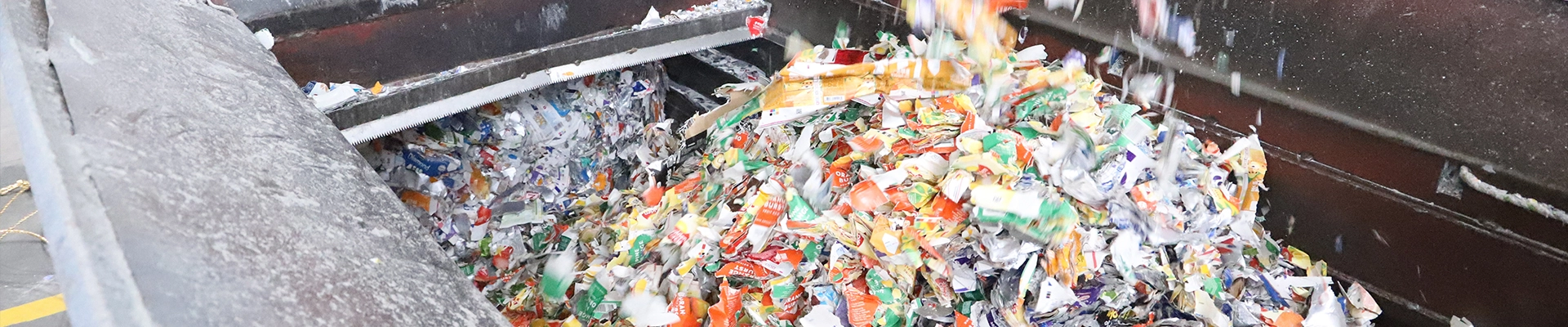
Paper Plastic Separation Machine for Tetra Pak
Every day, millions of Tetra Pak cartons are used to package milk, juice, plant-based beverages, and other liquid foods. While these cartons are convenient and durable, recycling them presents a unique challenge because they are made from multiple bonded layers of paper, plastic, and, in some cases, aluminum.
A Paper Plastic Separation Machine for Tetra Pak provides an efficient solution by separating the valuable paper fibers from the plastic layer, allowing both materials to be recycled and reused. As global demand for sustainable recycling continues to grow, investing in advanced separation equipment has become an attractive opportunity for recycling companies and paper mills.
In this article, you’ll learn how a paper plastic separation machine works, its major benefits, common applications, and answers to frequently asked questions to help you choose the right recycling solution.
What Is a Paper Plastic Separation Machine for Tetra Pak?
A Paper Plastic Separation Machine for Tetra Pak is specialized recycling equipment designed to separate the paper fibers and plastic components from used beverage cartons.
The machine is suitable for processing:
- Used milk cartons
- Juice cartons
- Beverage cartons
- Liquid food packaging
- Paper-plastic laminated packaging waste
By efficiently recovering valuable paper pulp and plastic, the equipment supports resource recycling while reducing landfill waste.
How Does the Separation Machine Work?
The recycling process typically includes several automated stages.
1. Feeding
Collected Tetra Pak cartons are conveyed into the recycling system.
2. Hydraulic Pulping
The cartons enter a hydrapulper where water and mechanical agitation separate the paper fibers from the plastic layer without damaging the pulp.
3. Fiber Screening
Recovered paper pulp passes through screening equipment to remove impurities before further processing.
4. Plastic Separation
The remaining plastic material is separated from residual fibers and collected for recycling or further processing.
5. Dewatering and Collection
Recovered paper pulp is dewatered and prepared for transportation or secondary manufacturing.
The result is two valuable recycled materials that can generate additional revenue while reducing environmental impact.
Why Invest in a Paper Plastic Separation Machine?
Modern recycling facilities are under increasing pressure to recover more valuable materials while reducing waste disposal costs. A professional separation machine offers several important advantages.
High Fiber Recovery
The hydrapulping process efficiently recovers high-quality paper fibers suitable for producing recycled paper products.
Improved Recycling Efficiency
Automatic separation significantly increases processing capacity while reducing manual labor requirements.
Environmentally Friendly
The recycling process minimizes landfill waste and supports the circular economy by giving valuable materials a second life.
Lower Operating Costs
Automated equipment reduces labor intensity and improves production efficiency, helping lower long-term operating expenses.
Wide Material Compatibility
In addition to Tetra Pak cartons, many systems can process various paper-plastic laminated packaging materials with similar structures.
Common Applications
A Paper Plastic Separation Machine is widely used by:
- Paper recycling plants
- Packaging waste recycling companies
- Municipal recycling centers
- Environmental protection enterprises
- Renewable resource processing facilities
Its flexibility makes it an excellent investment for businesses looking to expand their recycling capabilities.
Frequently Asked Questions
What materials can the machine process?
It is primarily designed for used Tetra Pak cartons, including milk cartons, juice cartons, and other paper-plastic composite beverage packaging.
What materials are recovered?
The machine separates high-quality paper pulp and recyclable plastic materials, both of which can be reused in manufacturing.
Does the machine require manual sorting?
Most modern systems feature automatic processing.
Is the recovered paper suitable for papermaking?
Yes. The recovered paper fibers can be used to manufacture recycled paper products, depending on local quality requirements.
Can the machine be customized?
Yes. Manufacturers often provide customized capacities, equipment layouts, voltage options, and automation levels based on customer production requirements.
Conclusion
A Paper Plastic Separation Machine for Tetra Pak is an effective solution for recycling composite beverage cartons. By separating paper fibers from plastic through advanced hydrapulping and screening technology, the machine improves recycling efficiency, reduces waste, and creates valuable recycled materials.
Whether you operate a paper mill, recycling facility, or environmental protection company, investing in a modern paper-plastic separation machine can increase productivity, lower operating costs, and support a more sustainable future.